Jordan women in archaeology management plan
The Art Newspaper
March 4, 2014
© Unesco
UN funds project to help women manage local archaeological site and attract tourists.
The village of Umm el-Jimal, which dates back to the first century AD, is in the poorest and least developed regions of Jordan.
Women are particularly disenfranchised: they have traditionally played little role in the area’s economy, and unemployment among women is twice the rate of men.
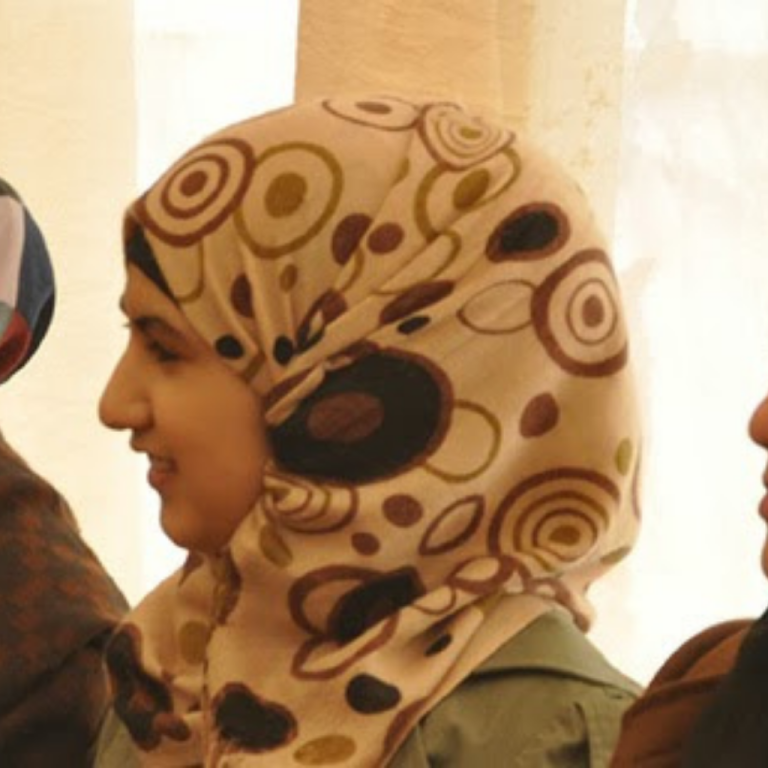
But now local women are being given the opportunity to manage the archaeological site in their village and attract tourists in a project aimed at developing the local economy.
The Umm el-Jimal Women’s Co-operative Society was founded in 2010 to empower women and reduce poverty. In January, this was given a boost by United Nations Women and Unesco, which have provided $108,000 for a project aimed at helping women manage and preserve the archaeological site of Umm el-Jimal.
Over the next two years, the programme will provide training for 40 women, mostly unemployed, single and with a low level of education, to promote the importance of Umm el-Jimal across Jordan, encourage sustainable tourism, and develop ways to generate income for the community using the historic site.
The village of Umm el-Jimal was first established by Nabataean settlers in the first century AD, though many of the remains from this time were used by later inhabitants as building material. In Roman times, the settlement was transformed into a military centre, complete with a fort and garrison. As the succeeding Byzantine era progressed, the village’s economy came to revolve around farming and trade; 15 churches were constructed in the fifth and sixth centuries, testament to the area’s growing prosperity.
After the Muslim conquest, however, Umm el-Jimal’s fortunes faded. It was gradually abandoned during the ninth century, and for much of the second millennium was only sporadically inhabited. In the mid 20th century, the Msa’eid tribe settled among the archaeological remains and built the village that surrounds them. Today it has a population of around 10,000 people. In 2001, Umm el-Jimal was added to the World Heritage Site programme’s tentative list; a final application to Unesco is currently underway.
Related articles
The Art Newspaper
- Another museum for Petra (January 2014)
- Heritage hopefuls renew their bids to Unesco (January 2014)
- Egyptian museum has big plans despite cash crisis (October 2013)